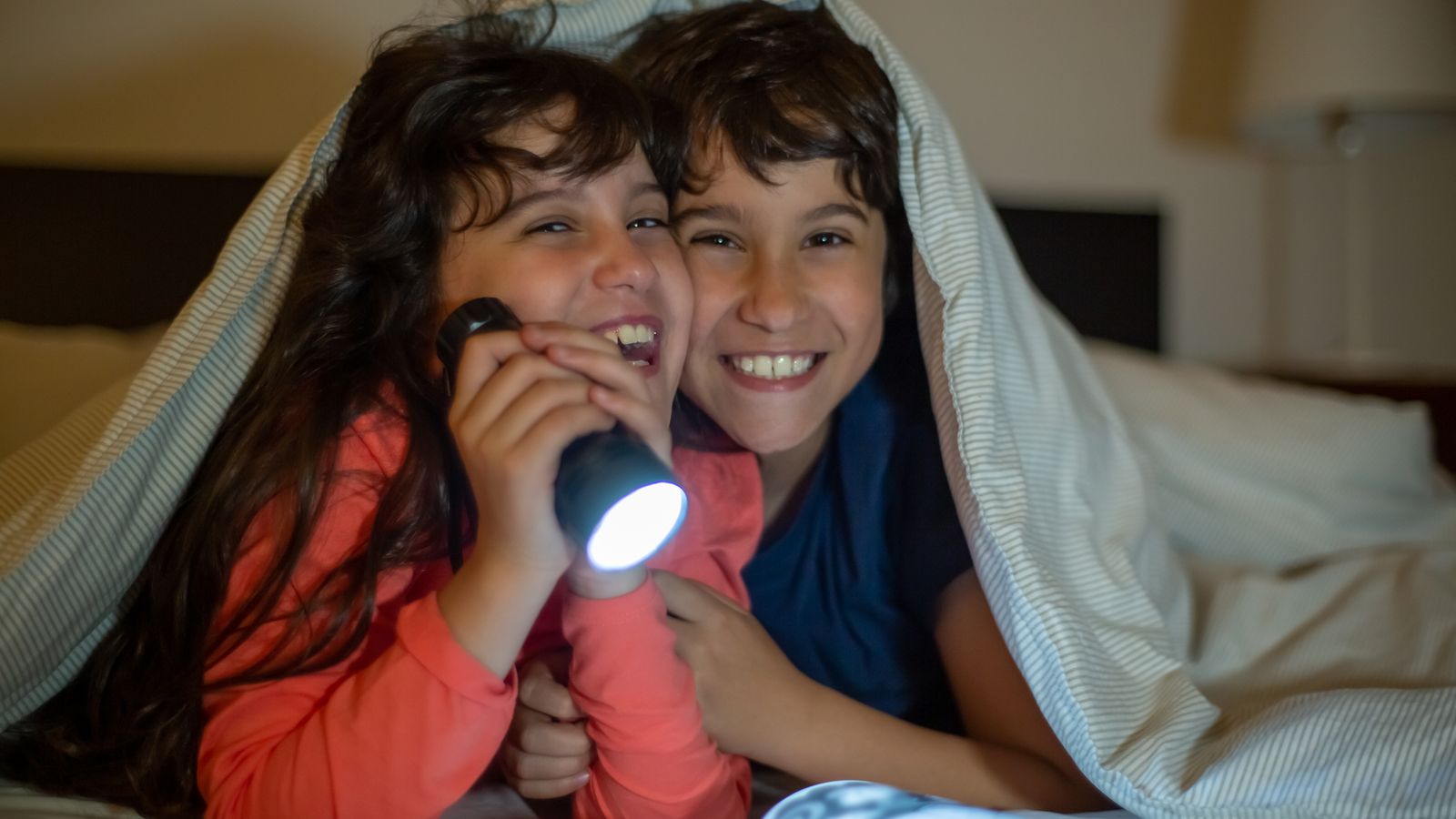
Set up a light scavenger hunt by picking a few spots in one room and writing one clue about what the light does at each spot. Have players record where the light lands, which patch looks brighter, what color it looks, and what changes when they move. I start with a clue everyone can solve from the same spot so the group can practice describing what they see.
Set the route and the rules
Pick one floor and clear the route. At home, use the kitchen table, a hallway wall, or the corner beside a reading chair. In a classroom, use stations at the board, a window, and a desk. Give each pair a clue card and an observation sheet. Keep closed rooms out of bounds and have an adult supervise any dimmed-light round. Keep walkways lit, and ask players to point flashlights at surfaces rather than faces.
Use existing lamps and normal switches. Leave fixed wiring and circuit changes to a licensed electrician. For more ideas on where light lands in a room, use the home lighting planning guide.
Choose a clue format
Follow a riddle trail
Borrow the chain from Nighttime Treasure Hunt. Leave the first clue on the table and have each riddle point to one specific place. Try “Find the wall that catches light from beside the reading chair.” Put the next card at that wall. Add a decoy clue for a harder second round, or have players trade roles and write the next trail.
Reveal a hidden message
In BLACKLIGHT SCAVENGER HUNT CHALLENGE!, three players rotate writing, finding and filming. They use a UV pen and blacklight to reveal three hidden messages in a two-minute round on one floor. For a supervised version, have an adult handle the light and reveal messages on paper. Swap filming for recording the observations on the sheet.
Look beside a marker
FLASHLIGHT SURPRISE SCAVENGER HUNT IN THE DARK uses a simple rule. A decoration means a toy is hidden nearby, and players look for four objects with flashlights. Adapt it with four paper stars near easy-to-reach objects. Keep enough light to walk safely and have players describe the beam before moving on.
Give players an observation sheet
Print or copy the prompts below. Ask players to add the spot, their answer and a quick sketch. I use the same white card at two stations when the goal is to compare what changes under different lights.
| Station | Clue | What to record |
|---|---|---|
| Reading chair | Find where the lamp beam lands. | Draw an arrow from lamp to lit surface. |
| Desk | Compare two spots on the same sheet. | Circle the brighter spot. |
| Window | Compare a white card here and under a lamp. | Note how its color looks in each spot. |
| Hallway | Move a card across a flashlight beam. | Sketch how its shadow changes. |
Use words such as “brighter” for comparisons by eye. The lumens guide explains the light-output number on lamp packaging.
FAQ
Can you play in daylight?
Yes. Use the window, a shaded corner and an existing lamp. Compare how shadows fall and how the same card looks at each station.
How do you run it with a whole class?
Put pairs at separate stations and rotate them in order. Give one player the clue and the other the pencil, then swap roles at the next stop.
Holiday variation for a Christmas light scavenger hunt
Make a short printable checklist with a tree, a snowflake, a candy cane and a reindeer light decoration. In Amazing Holiday Lights For Kids, the light-festival checklist includes counting candy canes and snowflakes, comparing tree heights and spotting the recurring Lumi mascot. Try that structure with decorations you can actually see at home or from a safe public walkway. Leave a box for each sighting of a recurring shape and let players compare their totals.
Questions & discussion
Share a question or a useful experience about this guide. Comments appear immediately. Your name and comment are public. Email is optional and stays private; reply emails are not enabled yet. Comment privacy.